article
Housing Options for South Bay Area Residents with Developmental Disabilities
Read to learn more about the housing options for individuals with I/DD
Read More

Starting in January 2025, California’s Department of Developmental Services (DDS) is changing how it classifies group homes for adults with intellectual or developmental disabilities. These changes affect something called “service levels.” While the terms are changing, the care your loved one receives should stay the same—or even improve. Here’s what you need to know.
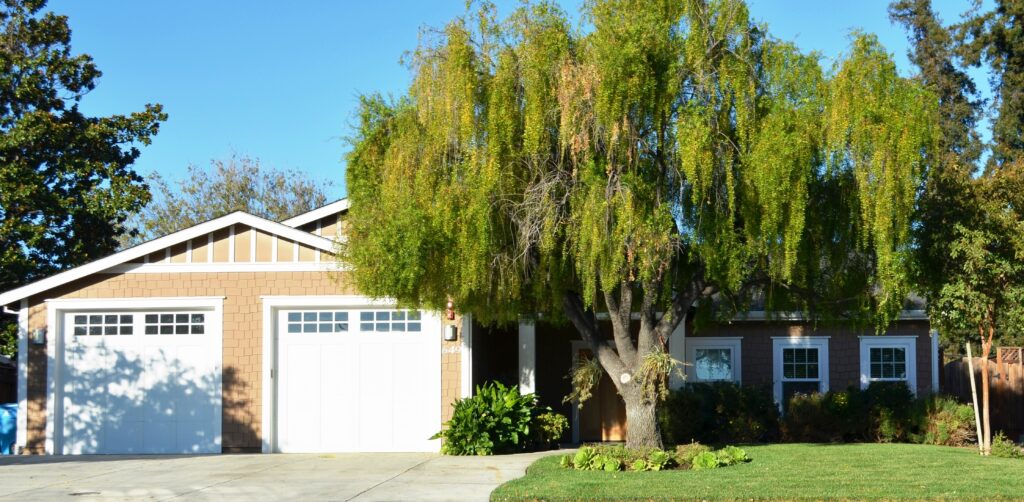
A Community Care Facility (CCF) is a home where adults with intellectual or developmental disabilities receive 24-hour, non-medical care. This includes help with daily living, personal support, and supervision. Each facility is approved by a regional center and assigned a service level based on how much support residents need.
Service levels describe how much staffing and support a home provides. The more support someone needs, the higher the service level. Until now, homes were classified using Levels 1 through 4. Level 4 included several sub-levels, such as 4C and 4F, depending on the amount of care required.
Beginning January 1, 2025, DDS is replacing the old system with a new one that uses Levels 2 through 7. The goal is to make the system easier to understand and to better match funding to the support each person needs.
All homes will begin using the new levels in 2025, and providers will have until December 31, 2025 to meet the new staffing and support requirements.
If your loved one already lives in a group home, the classification of the home may change behind the scenes, but their care will not decrease. In fact, homes in the new Level 4 and Level 5 categories will receive more funding to support higher staffing and professional consultation.
What’s most important is that your loved one’s Individual Program Plan (IPP) clearly states the type and amount of care they need. This helps ensure they’re matched with the right level of support.
At Life Services Alternatives, we operate:
We are actively updating our homes to meet DDS’s new guidelines and ensure that all staffing and support requirements are met by the deadline.
You don’t need to take any immediate action. However, it’s a good idea to:
Your Service Coordinator is the best person to help you understand how these changes might affect your loved one.
If your family member is in need of a Level 4, Level 5, or ARFPSHN home, we invite you to join our Family Interest List. Openings are limited, and we will notify you as space becomes available.
📧 Email us at info@lsahomes.org with any questions or to join the interest list.
We’re here to help make this transition as simple and clear as possible—and to continue providing safe, supportive homes for adults with intellectual or developmental disabilities.
Resources
Learn more about how LSA provides services for people with intellectual or developmental disabilities (I/DD)


