
The Quiet Strength of Sitara Ranganathan: A Life That Inspired Love, Advocacy, and Resilience
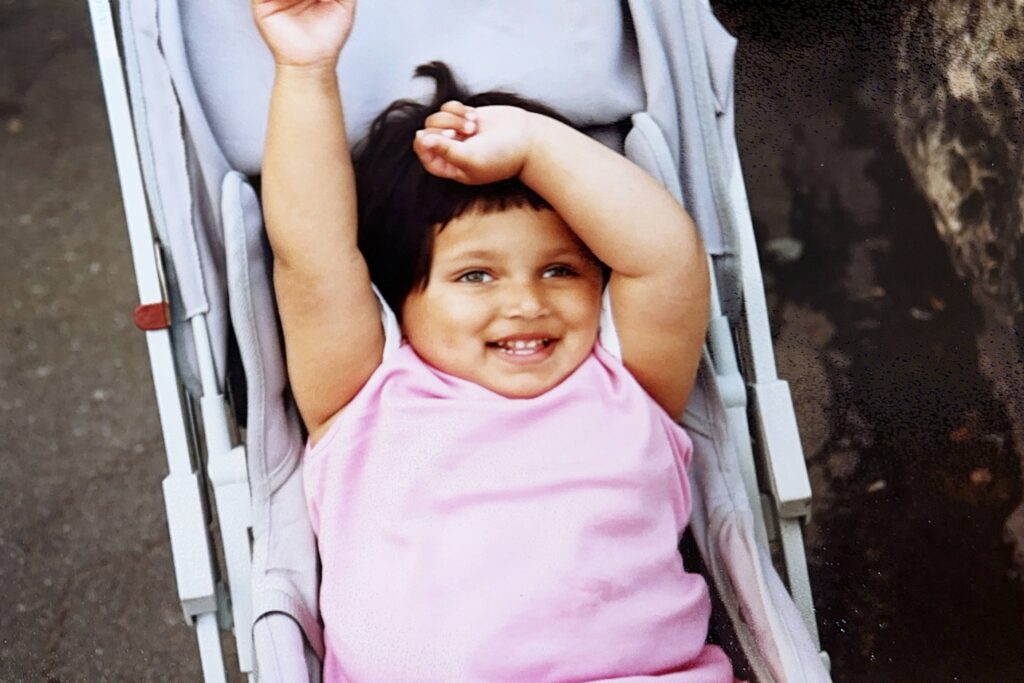
When Madhu and Ranga Ranganathan welcomed their first child into the world, they named her Sitara, a Sanskrit word meaning star. For a few months, she was simply their daughter: a beautiful baby who had already filled their home with joy. Then, on a pediatric visit in Boston, an intern asked a question that changed everything: did they know their daughter was blind. Two months of appointments in California had missed it entirely. The Ranganathans soon learned Sitara had congenital toxoplasmosis, a condition that would affect far more than her vision. Hospital visits became routine. Surgeries, therapies, and uncertainty became part of everyday life.
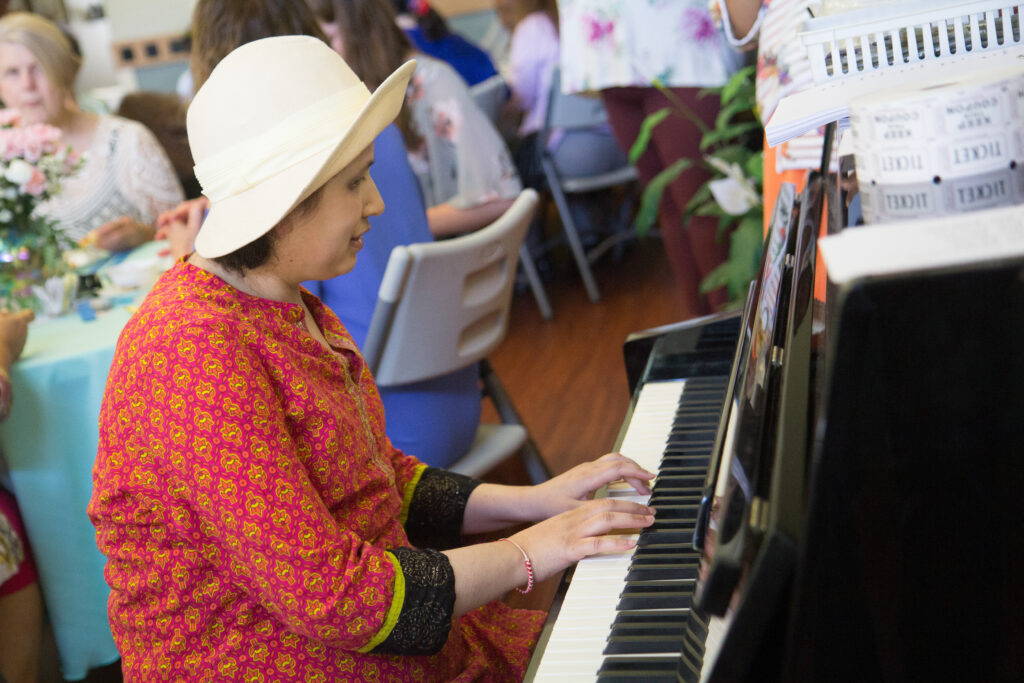
Sitara’s journey included challenges her family never expected, but her life was never defined by them. It was defined by the family who stood beside her, the advocates who believed in her, and the lessons she shared simply by living it. Ask Madhu and Ranga about their daughter today, and they rarely begin with the hospitals. They remember the little girl who loved to play the piano whenever family or friends visited. The older sister who insisted on everyone else’s routines stayed on track. The daughter whose quick wit often caught people off guard. The woman who found joy in helping, unloading the dishwasher, sorting strawberries in the kitchen, or simply being included in whatever was happening around her.
A Daughter Who Changed Everything
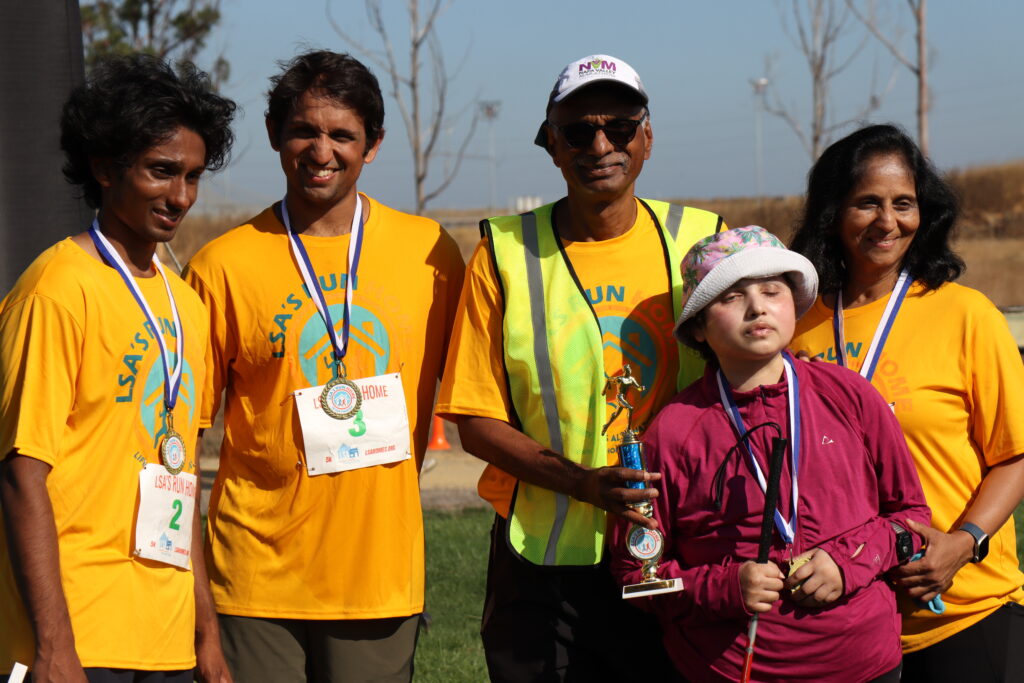
Ranga has said that even as young parents, he and Madhu never let themselves ask why this had happened to them because the person most affected wasn’t them, it was Sitara, and their job was to get her the best possible care. Over the decades, Madhu came to describe one of the family’s greatest lessons with a single word: acceptance. For her, acceptance never meant lowering expectations. It meant embracing Sitara exactly as she was while continuing to advocate for every opportunity she deserved, acceptance and advocacy, held together, decade after decade.
The Strength She Brought to Her Family
One of Sitara’s deepest relationships was with her grandmother, Ambujam, affectionately called Patti. When doctors believed Sitara might never eat by mouth, Patti refused to accept that outcome, and patiently worked with her granddaughter until, eventually, Sitara learned to eat orally. Madhu says her daughter’s story would be incomplete without Patti, whose love was unconditional, unconventional, and unbiased.
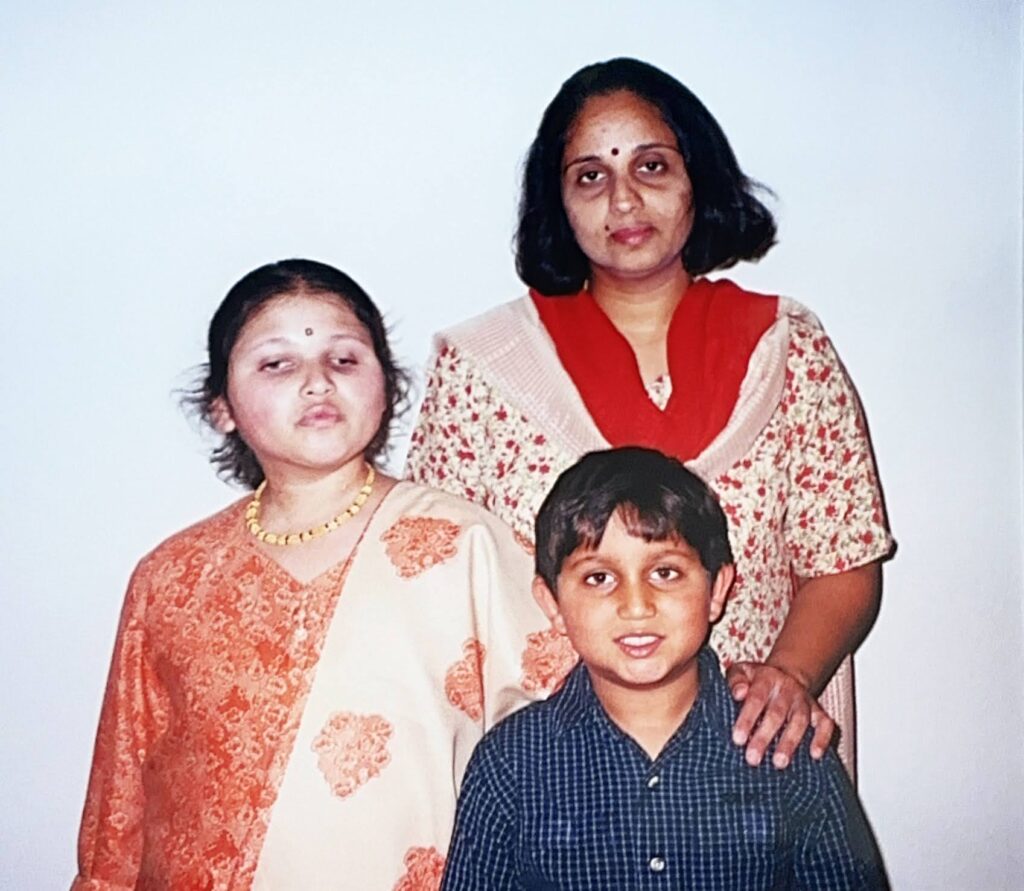
Sitara carried that same devotion into the rest of her family. As the oldest sibling, Akka, as her brothers called her, she kept an eye on household routines and never hesitated to let her brothers know when they’d stepped out of line. They adored her just as fiercely. When Adarsh was young, he once told his friends, “I will not be friends with you if you make fun of my sister.” Years later, her younger brother Kailash would write his own chapter for their mother’s book:
If Akka can live a life with such tenacity, the least we as a family can do for her in return is support her.
Seeing the World Through Sitara’s Eyes
One story from Sitara’s childhood, from Madhu’s book The Child Who Never Knew, says almost everything you need to know about her. She was five at a family wedding when the groom tripped and fell and while every adult around her rushed to check if his glasses had broken, five-year-old Sitara asked, “Are Uncle’s eyes alright?” While everyone else worried about what had broken, Sitara worried about the person an instinct that stayed with her for life.
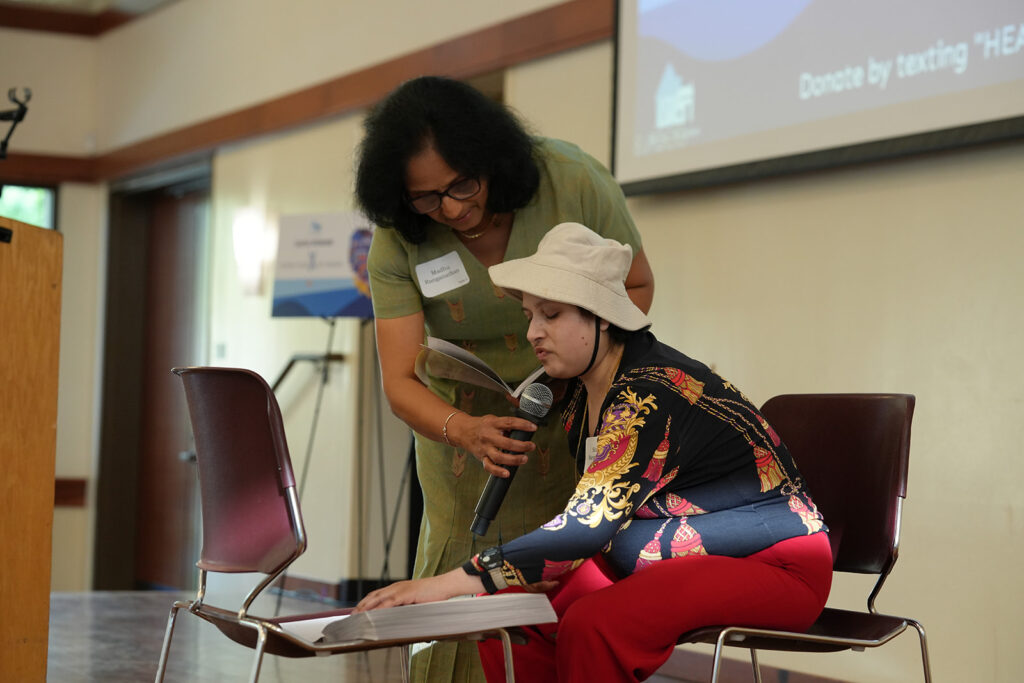
She also had a mischievous sense of humor. When she’s asked “What date is today?” she might just as easily answer, “What date was it yesterday?” She loved dressing up for Halloween and Indian festivals alike. And in 2007, when she received her diploma from the special education program at Saratoga High School, her entire school community stood and cheered, a moment her family still calls a standing ovation, and one Madhu writes about in full in her book, along with many more like it.
Home
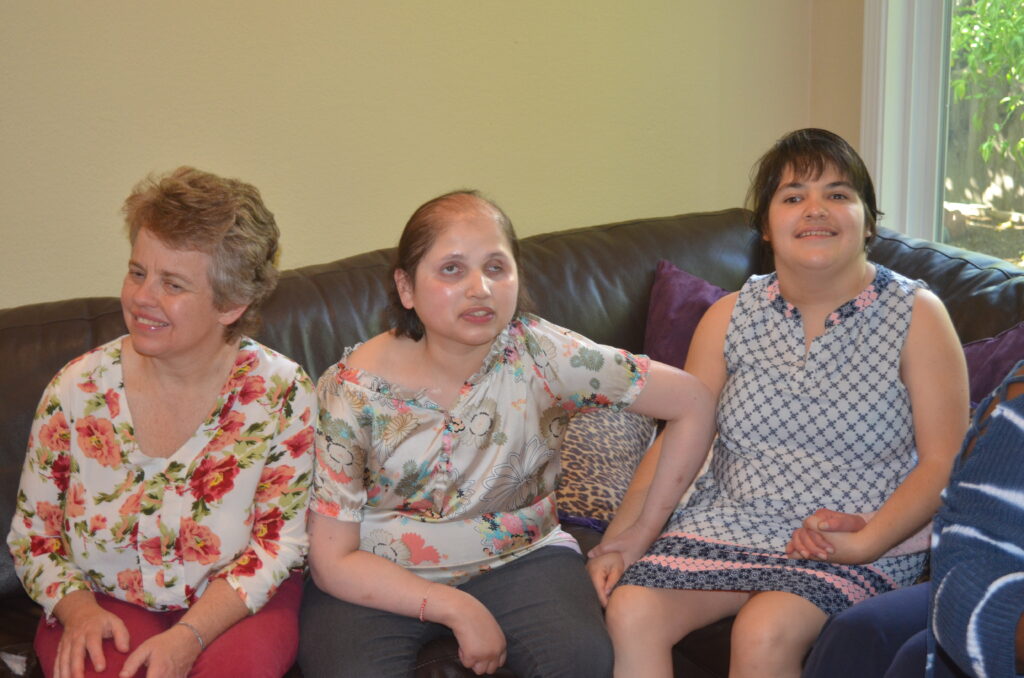
As Sitara entered adulthood, another challenging chapter awaited her parents: finding a home where she’d be supported long after they no longer could. Madhu has said the hardest part was never the search, it was reaching the mindset that placing an adult child in a home is a required step in caring for her, not a failure of it. She spent years exploring options before she and Ranga walked into an LSA home on Cambrian Street of San Jose, less than ten miles from the house where Sitara grew up. The program director, Susan, told them LSA was looking to build relationships with families first, not just clients, exactly the fit they’d been searching for.
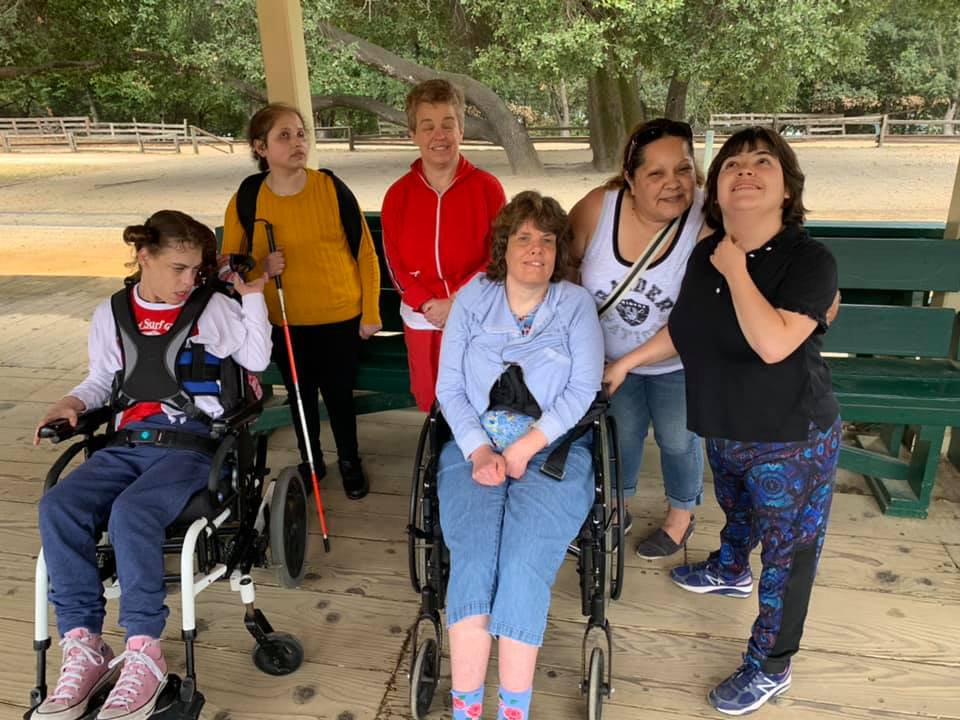
That feeling only grew stronger over time. During the COVID-19 pandemic, when Sitara contracted COVID and needed round-the-clock care, LSA’s staff stayed by her side. Madhu has said that was the moment she truly knew this was Sitara’s home. Ranga later joined LSA’s Board of Directors. Years later, when Madhu asked Sitara what she wanted included in the story of her own life, Sitara didn’t reach for the hospital visits or the hard years. She asked her mother to write about Cambrian first, her home away from home.
In Her Own Words
Asked about her years of medical challenges and hospital stays, Sitara’s answer was simpler still: that she went to the hospital. Nothing more. Madhu has said that if Sitara carried every hard year in her memory, there would be a lifetime of pain to hold onto. Instead, she carries almost none of it. She lives, as her mother describes it, entirely in the present.
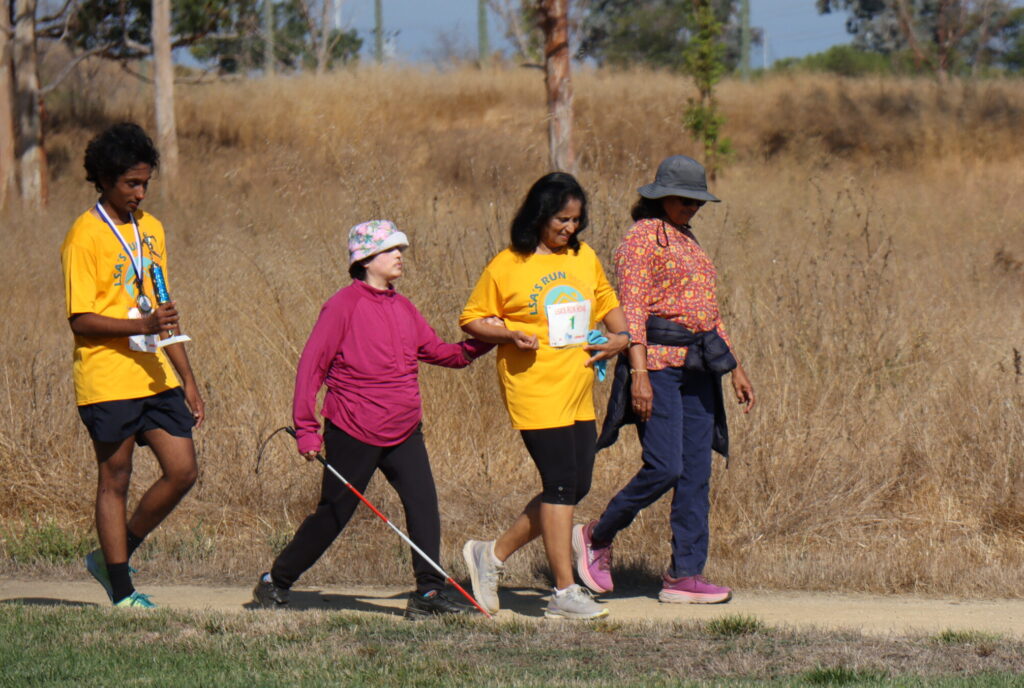
What she does carry is something else entirely. Every day, without fail, Sitara checked in on the people she loved — how was your run, how did your meeting go, did you sleep well, is your headache better. Madhu calls it a rare gift, the simple act of being asked after, and says it fueled her through decades of long days. She calls her daughter her best friend forever.

That same instinct to show up for others carried into how she spent her days. Earlier this year, Sitara broke from her routine to advocate in-person for more housing for adults with disabilities in Silicon Valley. She sat in the audience at Cupertino City Hall beside the executive director of Housing Choices and a fellow self-advocate, holding up a #LeadUsHome banner in support of Mary Avenue Villas, her own choice, made on her own terms, for a cause that would shape the lives of people in her community.
A Legacy That Continues
Sitara’s influence can still be felt in the lives she shaped. It lives in the stories her family continues to tell, and in the book Madhu wrote, The Child Who Never Knew, so other families might find hope in their own journeys, a project whose proceeds go entirely to nonprofit causes. It lives in Ranga’s continued advocacy for adults with intellectual and developmental disabilities, and in the values her brothers carry with them, shaped by a sister who taught them courage, compassion, and loyalty long before they realized those lessons were taking root.
Some stars shine brightest not because they seek attention, but because they illuminate the lives around them. Sitara’s light continues to do exactly that.
Continue Sitara’s Journey
Get the Book -> Read Madhu’s full account in The Child Who Never Knew: A Lifetime of Love, Learnings, and Resilience. All proceeds support nonprofit causes.
Register for the Run -> Join LSA’s Annual Run Home, founded by Ranga in support of his daughter and adults with intellectual and developmental disabilities.
Explore LSA’s Programs & Homes-> Learn how LSA builds homes, community, and opportunity for adults like Sitara across Silicon Valley.
Sitara Ranganathan lived at an LSA home in San Jose. Her mother Madhu is the author of The Child Who Never Knew: A Lifetime of Love, Learnings, and Resilience*, and her father Ranga is the founder of LSA’s Run Home and serves on LSA’s Board of Directors.*
Get the Latest Updates from LSA
